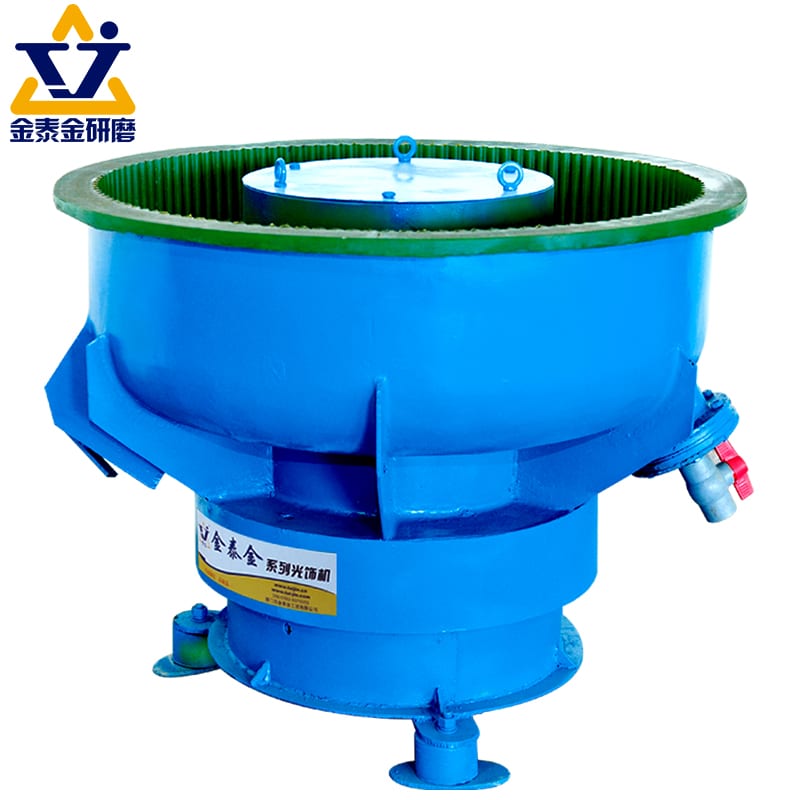
Le choix du bon équipement de finition a un impact direct sur la qualité des pièces, le temps de cycle et les coûts d’exploitation. De nombreux fabricants choisissent une machine uniquement en fonction de la taille des pièces ou du volume de lot, sans prendre en compte la géométrie des pièces, l’état de surface visé, la sensibilité du matériau ou la manière dont le type de machine interagit avec le mouvement des médias. Une machine adaptée à de lourdes pièces moulées en acier peut endommager des pièces fines en aluminium, et un tonneau adapté à de petits lots peut s’avérer peu économique pour une production continue.
Le processus de sélection doit commencer par quatre questions : Quel est le matériau de vos pièces et leur état initial ? Quel niveau de finition de surface est requis (ébavurage, polissage, brunissage ou les trois) ? Quelle est la taille de votre lot et votre cadence de production ? Et vos pièces sont-elles sensibles aux chocs, à l’emmêlement ou au coincement de médias ? Les réponses définissent le type de machine, les médias et les paramètres de procédé viables.
Critères de sélection des machines selon le type de pièce
Chaque type de machine crée un schéma de mouvement des médias différent, ce qui détermine les pièces qu’elle peut traiter efficacement. Le tableau suivant compare les principaux critères de sélection :
| Type de machine | Idéal pour | Cycle typique | Sensibilité des pièces | Taille de lot |
|---|---|---|---|---|
| Finition vibratoire | Ébavurage et polissage généraux, tailles de lots mixtes | 15-60 min | Modérée — adaptée à la plupart des pièces métalliques | Moyen à grand (50-500 kg) |
| Tonneau rotatif | Pièces délicates, à parois fines ou petites qui se déforment facilement | 2-12 heures | Faible impact — action de roulage douce | Petit à moyen (5-100 kg) |
| Finisseur à disque | Petites à moyennes pièces nécessitant un temps de cycle rapide | 3-15 min | Modérée à élevée — la force centrifuge est importante | Petit (1-20 kg par lot) |
| Finisseur magnétique | Petites pièces de précision, détails fins, tolérances serrées | 5-30 min | Très doux — aucun impact média-sur-pièce | Petit (0,1-5 kg par lot) |
| Vibrateur tubulaire | Composants longs, lourds ou de grande taille | 30-120 min | Modérée — adapté aux pièces robustes | Grand (100-1000+ kg) |
Sélection des médias et du composé pour chaque type de machine
Une fois le type de machine sélectionné, la décision suivante concerne la forme, la taille, le matériau des médias et le composé. Les médias doivent correspondre à la fois au schéma de mouvement de la machine et aux exigences de surface des pièces. Les finisseurs vibratoires fonctionnent avec tous les types de médias. Les tonneaux rotatifs fonctionnent mieux avec des médias plus petits qui roulent librement. Les finisseurs à disque nécessitent des médias capables de résister à la force centrifuge sans se briser. Les finisseurs magnétiques utilisent de fines aiguilles et billes en acier ou en acier inoxydable.
- Pour l’ébavurage : utiliser des médias céramiques à arêtes vives, d’une taille permettant d’atteindre toutes les caractéristiques des pièces sans se loger dans les cavités.
- Pour le polissage : passer à des médias plastiques ou à une céramique fine avec un composé approprié pour atteindre la rugosité de surface cible.
- Pour le brunissage : utiliser des médias en acier dans un tonneau ou un finisseur vibratoire pour obtenir une finition de surface en compression et un aspect brillant.
- Pour le séchage : après un traitement humide, utiliser des médias de finition secs dans un sécheur dédié ou un sécheur vibratoire.
Erreurs courantes lors de la sélection des équipements de finition
- Choisir la capacité de la machine uniquement en fonction du poids des pièces. La géométrie des pièces, et pas seulement leur poids, détermine combien de pièces peuvent être chargées sans se détériorer mutuellement. Les pièces longues, à parois fines et aux formes imbriquées nécessitent une densité de chargement plus faible.
- Sélection de la taille du média avant de confirmer les caractéristiques de la pièce. Le média qui s'adapte à un trou ou à une fente s'y bloquera. Mesurez la plus petite cavité et choisissez un média plus grand que cette dimension.
- Supposer qu'une seule machine gère aussi bien l'ébavurage que le polissage. L'ébavurage nécessite un média agressif et un mouvement plus rapide. Le polissage nécessite un média plus fin et une action plus douce. Une machine à vitesse variable aide, mais certains compromis sont inévitables.
- Ignorer la distribution et la recirculation du composé. Les machines sans pompe de composé nécessitent un dosage manuel, ce qui entraîne une concentration et des résultats de surface incohérents.
- Ne pas prévoir la séparation et le séchage. La séparation manuelle des pièces du média ajoute des coûts de main-d'œuvre et ralentit la production. Les systèmes de séparation intégrés s'amortissent dans les opérations à grand volume.
Référence visuelle pour la configuration du processus
Voir le processus en action
Regardez comment les équipements de finition de surface traitent des pièces dans un environnement de production réel :
Vous ne savez pas quelle machine ou quel média convient à vos pièces ? Envoyez-nous le matériau de votre pièce, des photos, les dimensions, l'état de surface actuel, la finition cible et la quantité de lot. Nous pouvons recommander un type de machine, la taille et le matériau du média, le composé et les paramètres de processus de départ.
Solutions associées
Ces pages peuvent vous aider à comparer les machines, médias, composés et processus appropriés :
Besoin de conseils d'expert pour votre processus de finition ?
Envoyez-nous le matériau de votre pièce, des photos, les dimensions, l'état de surface actuel, la finition cible et la quantité de lot. Notre équipe peut aider à recommander des machines de finition, médias, composés et une direction de processus de test pour votre application spécifique.
 +86-592-2381506


 Réseau IPv6 pris en charge